
Italian Dinner Course: Understanding the Traditional Order of an Italian Meal
An Italian meal is often recognised for its variety of dishes, but the order in which they are served is just as important as the food itself. Rather than being a collection of separate courses, each stage has a purpose that creates a gradual and enjoyable dining experience. Regional traditions, seasonal produce, and the importance Italians place on sharing meals have shaped this structure over centuries. Understanding the Italian Dinner Course helps explain why Italian dining feels unhurried, balanced, and memorable, making every course part of a tradition that continues to influence restaurants around the world.
What Is an Italian Dinner Course and Why Does It Follow a Traditional Order?
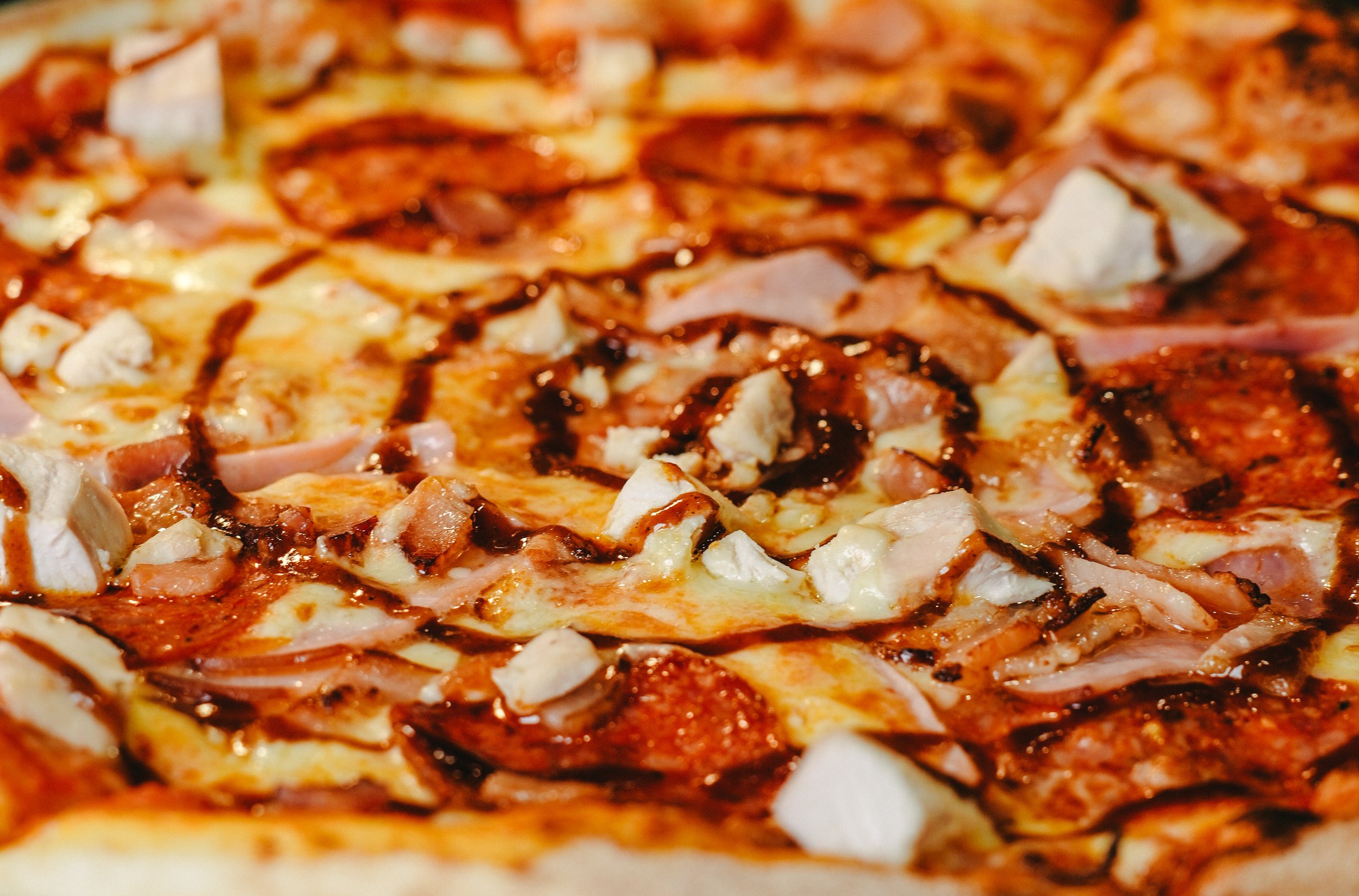
An Italian Dinner Course is a sequence of dishes served in a particular order, with each course designed to prepare diners for the next. This tradition developed gradually during the Renaissance, when formal banquets became more structured and regional customs began influencing the way meals were presented. Over time, the format evolved into a practical approach that balances flavours, textures, and portion sizes instead of serving everything at once.
The order also reflects how Italians experience food. Each course has its own role, allowing diners to appreciate individual dishes rather than rushing through a single large meal.
How Italian Dining Reflects Culture, Family, and Regional Traditions
Although the structure of an Italian Dinner Course is recognised across the country, every region has developed its own interpretation based on local ingredients, climate, and history. Northern Italy is known for risotto, polenta, butter-based cooking, and alpine influences, while southern regions feature more seafood, olive oil, tomatoes, and durum wheat pasta. These regional differences mean two Italian families may enjoy completely different meals while still following the same traditional order.
The dinner table has also long been a place where recipes, family stories, and local customs are passed from one generation to the next.
Understanding Each Stage of a Traditional Italian Dinner
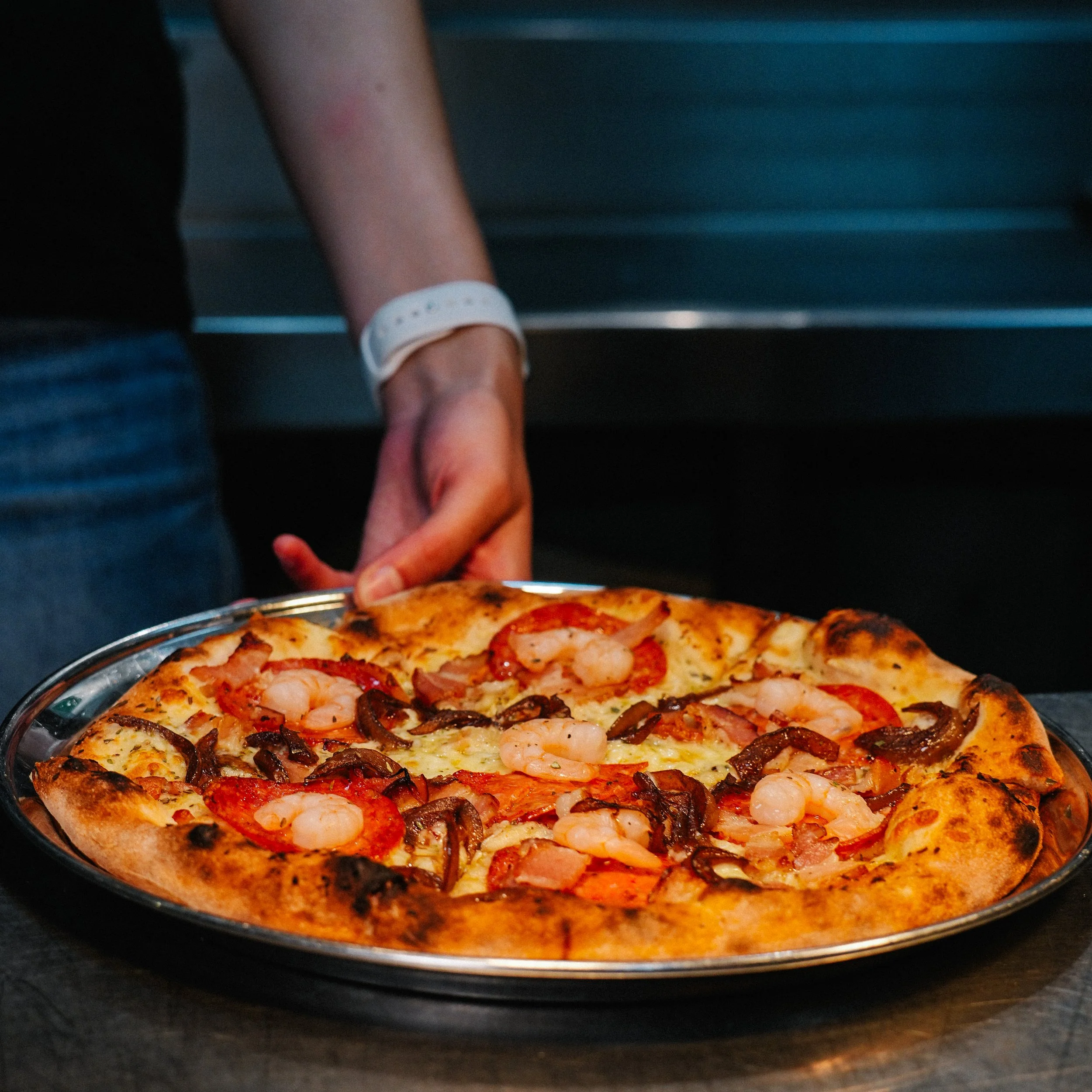
Every stage of an Italian Dinner Course has a purpose. Rather than increasing portion sizes, the meal gradually builds in flavour and variety before finishing with something sweet and a moment to relax.
Antipasto: Beginning the Meal with Simple Flavours
Antipasto literally means "before the meal," but its purpose goes beyond simply satisfying hunger. Traditionally, it prepares the palate with lighter dishes that awaken the appetite without making diners feel full. Regional antipasti may include cured meats, marinated vegetables, cheeses, olives, seafood, or bruschetta, depending on local traditions.
Unlike an entrée in many countries, antipasto is not intended to become the main attraction. It introduces the meal and encourages guests to settle into the dining experience. This gradual beginning reflects the philosophy behind the entire Italian Dinner Course, where every stage contributes to the rhythm of the meal rather than competing for attention.
Primo: Pasta, Risotto, or Soup Takes Centre Stage
Primo is often the course international visitors recognise most because it commonly features pasta, risotto, gnocchi, or soup. Despite its popularity, Italians generally serve smaller portions than those found in many restaurants outside Italy, allowing diners to continue enjoying the courses that follow.
The choice of primo or Italian first course varies considerably across Italy. Coastal regions may serve seafood pasta, northern areas often favour risotto, while central Italy is known for rich regional pasta recipes.
Secondo and Contorno: The Main Course Served with Balance
The secondi focus on protein, such as seafood, beef, lamb, or chicken, while the contorni are vegetable side dishes served separately rather than placed on the same plate. This distinction surprises many international visitors, but it allows each component to retain its own flavour and preparation.
Serving vegetables separately also gives diners greater flexibility, allowing them to choose seasonal accompaniments that complement the main dish instead of following a fixed combination. This thoughtful approach has helped the Italian Dinner Course remain relevant for generations because it adapts naturally to regional produce and changing seasons.
Dolce and Coffee: A Relaxed Finish to the Meal
Dessert marks the final stage of the meal, but it is rarely rushed. Traditional favourites such as tiramisu, panna cotta, cannoli, or regional cakes provide a gentle finish without feeling overly heavy. Seasonal fruit is also commonly served, particularly during family gatherings.
Coffee follows dessert rather than accompanying it, with espresso being the most common choice. This final step signals the end of the meal while giving guests another opportunity to continue their conversations.
Discover the Tradition of Italian Dining at Il Gambero
Experiencing a traditional Italian Dinner Course is about more than ordering several dishes. It is an opportunity to enjoy the pace, variety, and hospitality that have shaped Italian dining for generations. At Il Gambero, guests can explore a menu inspired by these traditions, with classic antipasti, handmade pasta, seafood, woodfired pizzas, and desserts served in a warm and welcoming atmosphere.
The restaurant is equally suited to a relaxed evening with family, a gathering with friends, or a restaurant for birthday dinner where guests can enjoy different courses together. Rather than rushing through a meal, Il Gambero encourages diners to slow down, savour each dish, and experience the rhythm of Italian dining that continues to be appreciated around the world.
Frequently Asked Questions
-
A full Italian Dinner Course can include five or more stages, beginning with antipasto and continuing through primo, secondo, contorno, dolce, and coffee. On special occasions, additional courses such as an aperitivo or digestivo may also be included. In everyday life, however, most Italians enjoy a simplified version by choosing only two or three courses.
-
No. While the traditional order remains well known, most people in Italy do not eat every course every day. Weeknight dinners are often much simpler, with many families enjoying only a primo, a secondo, or a single main dish. Full multi course meals are more commonly reserved for Sundays, holidays, weddings, birthdays, and other celebrations where the meal becomes an event in itself.
-
The main difference is their role within the meal. Primo is generally based on pasta, risotto, gnocchi, or soup and focuses on carbohydrates as the centre of the course. Secondo follows with seafood or meat, while vegetables are usually served separately as a contorno. Unlike many international dining styles that combine everything onto one plate, Italian cuisine separates these courses so diners can appreciate the flavour, texture, and preparation of each dish individually.
Conclusion
The traditional Italian dinner is not defined by the number of courses on the table, but by the experience it creates. Each stage serves a purpose, building the meal while letting diners appreciate regional recipes, seasonal cooking, and the pleasure of sharing good food with others. This thoughtful approach has remained part of Italian culture for centuries because it values quality time as much as quality cuisine.
Discover this timeless dining tradition at Il Gambero, where every course is served with genuine Italian hospitality and every meal becomes an occasion worth enjoying.