
Understanding Types of Pasta and How Each Shape Complements Different Sauces
Pasta has been part of Italian cooking for centuries, yet its remarkable variety continues to surprise many people. While it may seem that different shapes exist solely for appearance, each has been created for a practical purpose. From long strands that gently coat with silky sauces to sturdy tubes that capture rich ragù, every shape contributes to the overall balance of a dish. Learning about the types of pasta offers a deeper appreciation of authentic Italian cuisine. It explains why traditional recipes continue to pair specific shapes with particular sauces rather than choosing them at random.
Understanding the Different Types of Pasta in Italian Cuisine
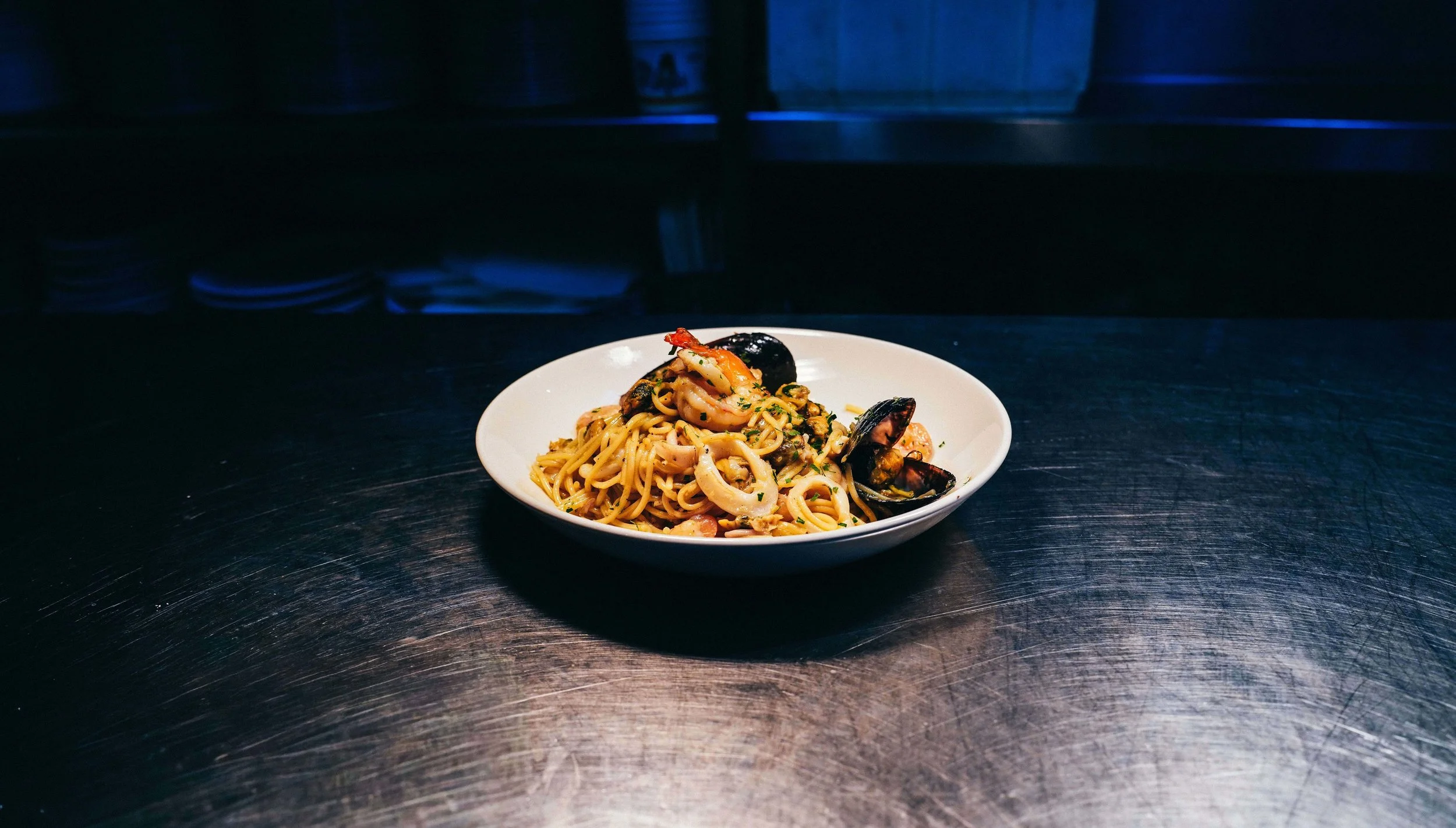
Italian cuisine includes hundreds of pasta varieties, each developed in different regions according to local ingredients, traditions, and cooking styles. Some shapes have remained unchanged for generations because they continue to complement the recipes they were created for. Long pasta such as spaghetti and linguine suits lighter sauces, while ridged or hollow varieties help capture thicker sauces with every bite. This careful pairing reflects the practical nature of Italian cooking, where texture, flavour, and balance are considered just as important as the quality of the ingredients themselves.
How Pasta Shape Changes the Way a Dish Tastes
The shape of pasta affects far more than its appearance on the plate. It changes how sauce clings to the surface, how ingredients are distributed throughout the dish, and even how each mouthful feels. Smooth pasta works well with delicate sauces that lightly coat every strand, while ridged or twisted shapes trap pieces of vegetables, herbs, cheese, or slow-cooked meat. As a result, choosing the right pasta creates a more balanced eating experience where every component works together naturally.
Popular Types of Pasta Found Across Italy
Across Italy, pasta reflects the traditions of each region. Northern areas are well known for fresh egg pasta and filled varieties, while southern regions often favour dried pasta made from durum wheat. Although recipes differ from one region to another, the same principle applies throughout Italy. Every pasta shape is selected to complement a particular sauce and create the best possible balance of flavour and texture.
Long Pasta for Light Sauces
Long pasta varieties such as spaghetti, linguine, fettuccine, and tagliatelle are among Italy's most recognised shapes. Their smooth, flowing form allows olive oil, butter-based sauces, seafood, and light tomato sauces to coat each strand evenly without becoming heavy. Fresh herbs, garlic, and grated cheese blend naturally through these dishes, allowing every ingredient to remain distinct. Restaurants known for serving the best pasta in Carlton understand that matching delicate sauces with the appropriate long pasta creates a meal that feels balanced, satisfying, and true to Italian tradition.
Short Pasta That Holds Richer Sauces
Short pasta is designed to capture hearty sauces that contain larger ingredients. Shapes such as penne, rigatoni, fusilli, and farfalle feature ridges, curves, or hollow centres that hold meat, vegetables, creamy sauces, and melted cheese. Every bite delivers a consistent balance of pasta and sauce because the ingredients settle naturally into these shapes during cooking. Many modern Italian restaurants also offer gluten-free pasta Carlton diners can enjoy without compromising texture or flavour.
Filled Pasta That Brings Extra Flavour
Filled pasta offers a different dining experience by combining pasta and filling into a single bite. Well-known varieties such as ravioli, tortellini, and agnolotti are traditionally prepared with fillings that may include ricotta, spinach, mushrooms, pumpkin, seafood, or slow-cooked meats, depending on the region. Because the filling already contributes significant flavour, these pasta shapes are usually served with simple sauces that complement rather than overpower the ingredients inside. This balanced approach allows the filling, pasta, and sauce to work together while preserving the character of each component.
The Distinct Characteristics of Fresh and Dried Pasta
Fresh and dried pasta each play an important role in Italian cuisine, and neither is considered superior in every situation. Fresh pasta has a softer texture and is commonly paired with delicate sauces, butter, cream, or stuffed pasta dishes. Dried pasta made from durum wheat semolina has a firmer bite and holds its shape well during cooking, making it ideal for tomato sauces, seafood, and slow-cooked ragù. Choosing between the two depends on the recipe, as each offers qualities that complement different ingredients and cooking methods while preserving the authenticity of traditional Italian cuisine.
Celebrate Authentic Italian Pasta at Il Gambero
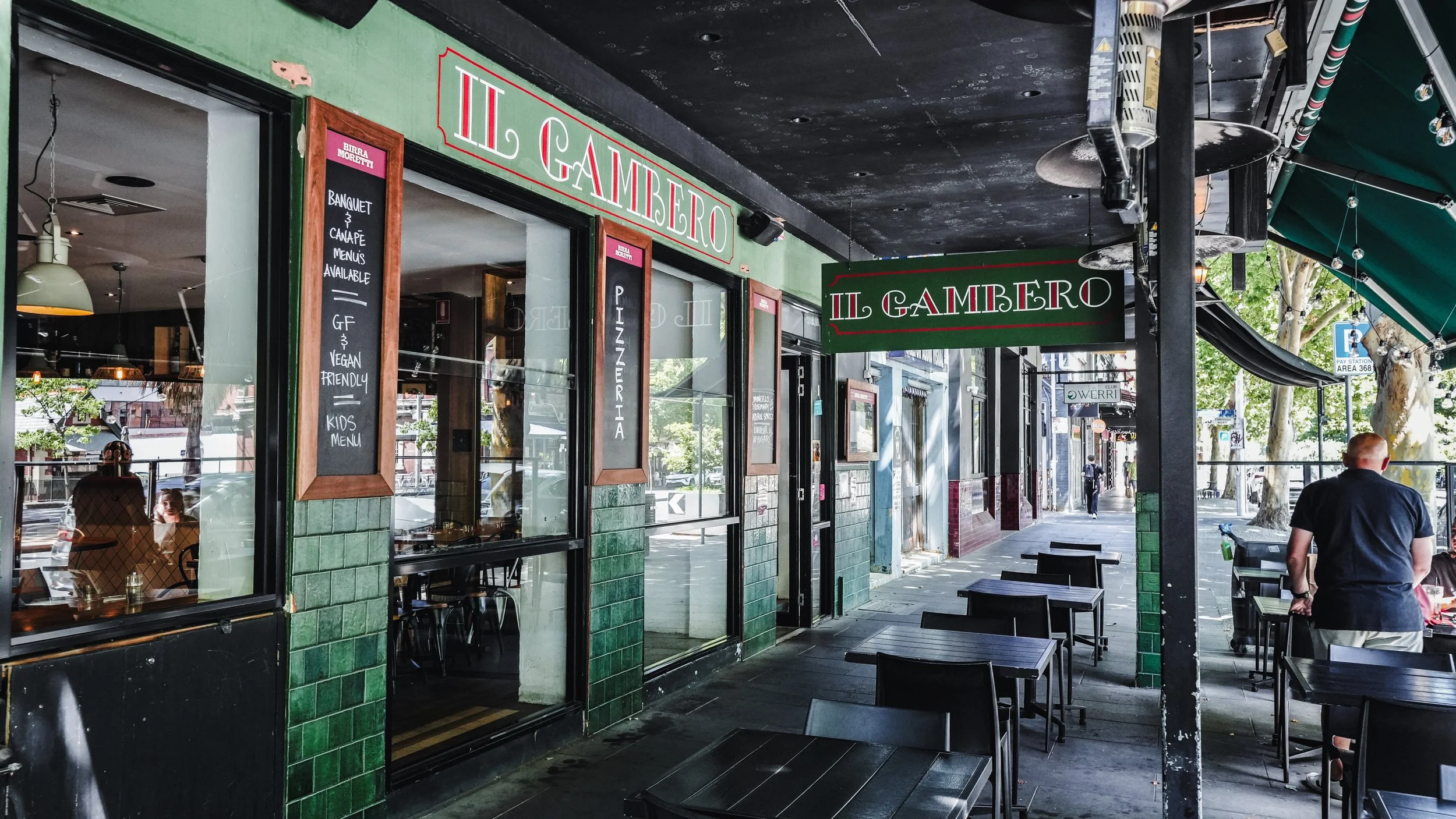
Enjoying authentic pasta begins with understanding that every dish is carefully prepared to balance the pasta, sauce, and other ingredients. At Il Gambero, traditional Italian recipes are crafted using quality ingredients and classic cooking techniques that respect these long-established pairings. Alongside classic favourites, guests can also enjoy vegan pasta Carlton, prepared with the same commitment to authentic flavours and carefully selected ingredients. Whether visiting for a casual lunch or a special dinner, every pasta dish reflects the quality and tradition that have made Italian cuisine appreciated around the world.
Frequently Asked Questions
-
Italy is home to more than 300 recognised pasta shapes, with many regions producing local variations passed down through generations. Some estimates suggest there are well over 600 names when regional differences are taken into account. While many shapes may appear similar, each has subtle differences in size, texture, or thickness that suit particular recipes.
-
The ideal pasta depends on the style of tomato sauce being served. Smooth tomato sauces pair well with spaghetti, linguine, or penne because they coat the pasta evenly. Richer tomato sauces containing vegetables or slow-cooked meat are often better suited to rigatoni, fusilli, or other ridged shapes that capture the sauce more effectively. Matching the pasta to the sauce's consistency creates better texture, balanced flavour, and a more authentic Italian dining experience from the first bite to the last.
-
Fresh pasta is not always the better choice because each variety serves a different purpose. Fresh pasta has a delicate texture that complements butter and cream sauces, as well as filled pasta dishes. Dried pasta offers a firmer texture and performs particularly well with tomato-based sauces and hearty ragù. Italian cooks select the pasta according to the recipe rather than personal preference.
Conclusion
Understanding the different types of pasta reveals that every shape has been developed with purpose rather than appearance alone. From delicate strands that complement light sauces to sturdy tubes that capture rich ragù, each variety contributes to the overall balance of an authentic Italian dish. Appreciating these traditional pairings makes every meal more enjoyable and offers greater insight into Italy's rich culinary heritage.
If you are ready to enjoy authentic Italian pasta prepared with quality ingredients and time-honoured techniques, reserve your table at Il Gambero and experience genuine Italian dining in the heart of Carlton.