
Best Italian Desserts: Classic Sweets, Flavours and Traditions to Know
Italian desserts range from creamy chilled dishes to pastries, cakes and frozen sweets. Their ingredients are often simple and carefully selected, while each dessert has its own texture, flavour and connection to regional food traditions.
Some of the best Italian desserts have become familiar well beyond Italy, including tiramisu, panna cotta, cannoli and gelato. Others remain closely associated with particular regions. Together, they show how Italian desserts can move from rich coffee and mascarpone flavours to fresh fruit, nuts and delicate creams.
What Defines Traditional Italian Desserts?
Italian desserts vary significantly between regions. Local ingredients, climate, and historical influences have shaped the sweets prepared in different parts of the country. Sicily, for example, is closely associated with cannoli and Cassata, while several northern regions have their own cakes, custards, and cream-based desserts.
Many of the best Italian desserts use familiar ingredients such as ricotta, mascarpone, coffee, cocoa, nuts, fruit and dairy. Rather than relying on excessive sweetness, traditional preparations often use contrast between creamy, bitter, nutty, fruity or crisp elements to give the dessert its character.
Popular Italian Desserts and Their Distinctive Flavours
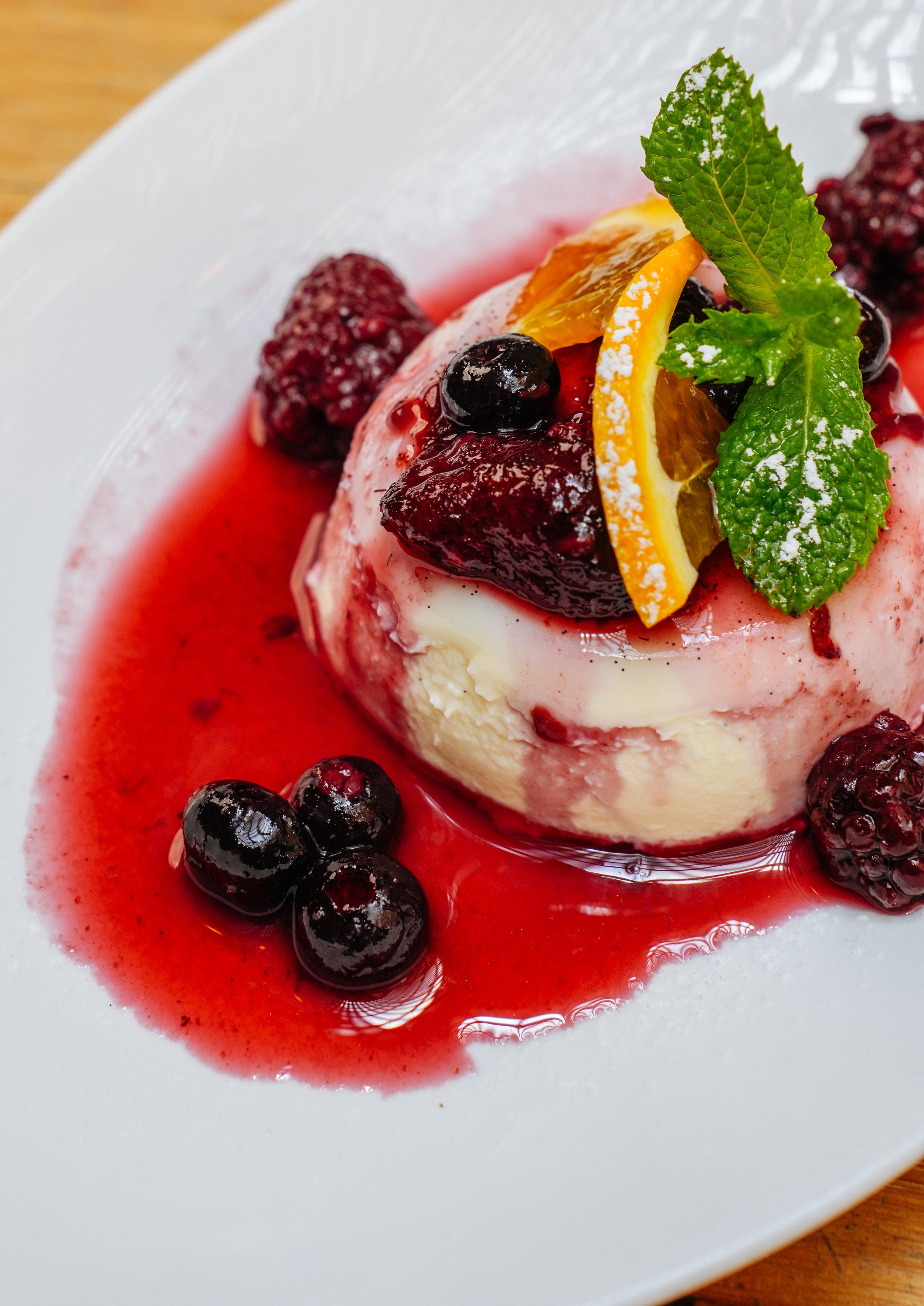
The following examples are among the most recognised Italian desserts and show how varied traditional Italian sweets can be.
Tiramisu Combines Coffee, Mascarpone and Cocoa
Tiramisu is one of the most recognised Italian desserts. Its familiar structure combines coffee-soaked savoiardi with mascarpone cream, topped with cocoa. Coffee adds bitterness, mascarpone brings richness, and the sponge creates a soft, layered texture.
Among the best Italian desserts, tiramisu stands apart because its flavour develops through resting rather than baking. The coffee moves through the sponge while the mascarpone mixture settles into the layers.
Its soft texture also makes it easy to portion and share, which can suit occasions where people are searching for a restaurant for a birthday dinner with traditional desserts available after the main meal.
Panna Cotta Offers a Smooth and Delicate Finish
Panna cotta means cooked cream and is traditionally associated with northern Italy. The basic preparation uses cream, sugar and a setting agent to create a smooth dessert that holds its shape while remaining soft.
Fruit, berries or sauces are often served with panna cotta to add acidity and contrast. What makes it one of the best Italian desserts is its restrained flavour and refined texture, which let the cream and accompanying ingredients stay clearly defined.
Cannoli Combine Crisp Pastry with Creamy Ricotta
Cannoli come from Sicily and traditionally consist of fried pastry shells filled with sweetened ricotta. Their distinctive character comes from the contrast between the crisp outer shell and the soft filling.
Pistachios, chocolate and candied fruit may also be added depending on the preparation. This combination of textures helps explain why cannoli regularly appear in discussions of the best Italian desserts.
Italian sweets can also suit a wide range of dining occasions, including family-friendly restaurants Carlton diners may consider for shared meals.
Gelato Is Defined by Texture and Ingredient Quality
Gelato has a long association with Italian food culture and can be prepared in flavours ranging from chocolate and vanilla to fruit, nuts and coffee. Its character comes from a smooth and dense texture combined with clearly recognisable flavours. A good pistachio gelato should retain the nut's natural taste, while fruit varieties should reflect the fruit's character rather than relying mainly on sweetness. This focus on ingredient clarity is one reason gelato remains one of the best Italian desserts for a simple finish after a meal.
Cassata Reflects Sicily’s Dessert Tradition
Cassata is closely associated with Sicily and traditionally combines ricotta, sponge cake, sugar and candied fruit. Different versions have developed over time, but the dessert remains known for combining several contrasting flavours and textures. Citrus, nuts and sweetened ricotta are common elements in Sicilian desserts, and Cassata brings many of these characteristics together in one dish. Its layered structure and regional character earn it a place among the best Italian desserts. It also works well in top restaurants for large-group settings, where diners may prefer a broader range of dessert styles.
Affogato Brings Coffee and Dessert Together
Affogato is a simple Italian dessert made by pouring hot espresso over a scoop of gelato or ice cream. The contrast between hot coffee and the cold base changes both the flavour and texture as the dessert is eaten.
Among the best Italian desserts, affogato suits diners who prefer a smaller finish after a full meal. The bitterness of espresso balances the sweetness of the frozen component, creating a dessert that is rich without feeling overly complicated.
Finish an Italian Meal with Dessert at Il Gambero
Dessert is often enjoyed as a separate final stage of an Italian meal rather than being rushed immediately after the main course. Il Gambero’s current dessert menu includes homemade tiramisu, vanilla bean pannacotta, gelati, Cassata, affogato and several other sweets. Its tiramisu is specifically listed as a house specialty. This range gives diners several ways to finish their meal, from coffee-based desserts to fruit, cream, and frozen options.
Frequently Asked Questions
-
Italy has many traditional desserts, and the selection varies considerably by region. Some of the most widely recognised include tiramisu, panna cotta, cannoli, Cassata, and gelato. Tiramisu is known for coffee, mascarpone, and cocoa, while panna cotta has a smooth, cream-based texture. Cannoli and Cassata are strongly associated with Sicily, and gelato appears in many regional flavours. Italian dessert traditions also include cakes, pastries, biscuits, and fruit-based sweets, so no single style represents the entire country.
-
No. Many Italian desserts balance sweetness with other flavours rather than relying heavily on sugar. Tiramisu includes the bitterness of coffee and cocoa, while panna cotta can be paired with tart berries or fruit. Cannoli may combine sweet ricotta with pistachios or citrus, and affogato pairs strong espresso with ice cream or gelato. This variety lets desserts finish a meal without becoming excessively rich. The final sweetness also depends on the recipe, serving size and ingredients chosen by the pastry chef or restaurant.
-
Lighter options such as panna cotta, gelato or affogato can work well after a substantial meal. Panna cotta has a soft, smooth texture and is often accompanied by fruit, while gelato can be served in a small portion. Personal preference still matters, as some diners may prefer the coffee and mascarpone flavours of tiramisu. The best choice generally depends on how rich the preceding courses have been.
Conclusion
The best Italian desserts show how varied Italian sweets can be. Tiramisu brings together coffee and mascarpone, panna cotta focuses on smooth cream, Cassata introduces fruit and nuts, while gelato and affogato offer distinctly different finishes.
Il Gambero serves several of these familiar desserts alongside its broader Italian menu on Lygon Street. From its homemade tiramisu to panna cotta, Cassata, and gelati, diners can finish their meal with a dessert that suits their preference. Explore the Il Gambero menu and reserve a table for your next Italian dining experience.