
Homemade Margherita Pizza: Understanding Its Simple Italian Character
A homemade margherita pizza shows that a good pizza doesn't need a long list of toppings. Its character comes from a few ingredients working together in the right proportions. Tomato provides freshness and acidity, cheese adds richness, basil brings aroma, and the dough gives the pizza its structure.
Its simple structure also makes preparation more noticeable. Dough texture, moisture levels and baking temperature of homemade pizza can all change the final result, even with the same basic ingredients.
What Goes Into a Traditional Margherita Pizza?
Traditional Pizza Margherita is based on tomato, fresh mozzarella cheese or fior di latte, basil and olive oil. For a homemade margherita pizza, keeping the ingredient list short makes ingredient quality particularly important. Tomatoes should have enough acidity and natural sweetness to form a balanced base. Fresh mozzarella needs good flavour without releasing excessive liquid. Fresh basil should contribute aroma rather than cover the entire surface. This simple composition is one reason diners searching for the best pizza in Carlton may focus on the quality of the base ingredients rather than the number of toppings.
Good Pizza Starts With Well-Prepared Dough
Homemade pizza dough determines much of the final texture before any toppings are added. Flour, water, salt and yeast form the basic structure, but fermentation gives the dough time to develop flavour and become easier to shape. For traditional Neapolitan pizza, fermentation can last from eight to twenty-four hours, depending on the preparation. The dough is then shaped by hand from the centre outwards.
A homemade margherita pizza benefits from the same principle. Rushing the dough can produce a base that is difficult to stretch or lacks flavour. Allowing sufficient fermentation makes the dough easier to handle while contributing to its finished texture.
Keep the Tomato Sauce Simple
Margherita pizza does not require a heavy or complicated tomato sauce. Traditional Neapolitan preparation uses crushed peeled tomatoes, with fresh tomato also permitted in specific forms. The tomato should remain natural in texture rather than becoming an overly thick cooked sauce.
For a homemade margherita pizza, too much tomato can create problems. Excess sauce adds moisture and may prevent the centre from cooking properly, particularly in a domestic oven. Someone comparing options from a best pizza restaurant in Melbourne may notice the same principle. Good pizza generally depends on proportion rather than simply adding more ingredients.
Mozzarella Needs the Right Moisture Level
Mozzarella gives Margherita pizza its mild dairy flavour and soft texture, but moisture needs careful attention. Traditional specifications allow mozzarella di bufala or fior di latte, distributed evenly across the tomato rather than forming one continuous layer of cheese.
When making pizza at home, very wet mozzarella can release water as it heats. This can leave liquid across the centre and soften the base. For this reason, draining excess moisture before topping a homemade margherita pizza can improve the final result. Distribute the cheese in moderate amounts so the tomato, dough, and basil remain recognisable rather than disappearing beneath a thick layer.
High Heat Changes the Final Pizza
Temperature is one of the biggest differences between professional pizza ovens and standard home ovens. Traditional Neapolitan pizza cooks at approximately 430°C to 480°C and finishes in about 60 to 90 seconds.
Most domestic ovens cannot reach those temperatures, so a homemade margherita pizza needs a slightly different approach. Preheating the oven thoroughly is essential. A pizza stone or steel can also retain heat beneath the dough and help the base cook more effectively. The goal is not to imitate equipment a home kitchen lacks. It is to use the available heat efficiently so the crust colours while the centre cooks through.
Common Mistakes When Making Margherita Pizza at Home
One common mistake is adding too much topping. More tomato and mozzarella may appear generous, but both release moisture during cooking and can produce a soft centre. Another issue is stretching the homemade pizza dough too thin across the entire surface. Traditional Neapolitan technique pushes the dough from the centre outwards while preserving a raised border.
Poor oven preparation can also affect a homemade margherita pizza. Placing pizza into an oven that has only just reached temperature often means the cooking surface has not stored enough heat. Giving the oven and baking surface enough time to preheat can produce better results.
Taste a Classic Margherita at Il Gambero
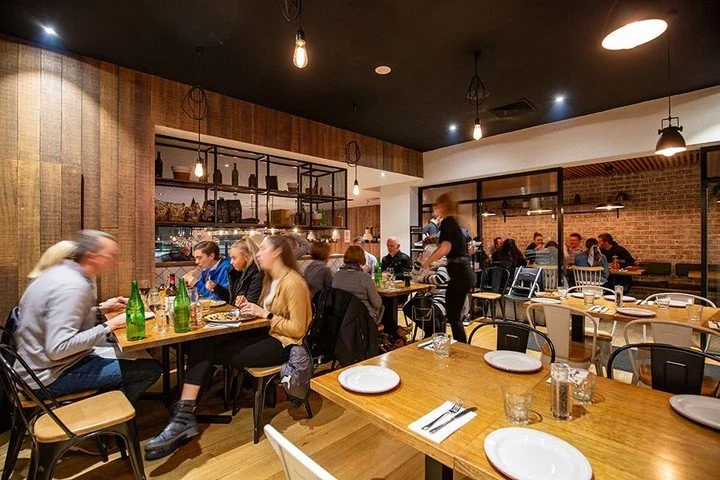
Making pizza at home lets people understand how dough, tomato, cheese, and heat interact. Dining out offers another perspective by showing how an established restaurant can interpret the same basic idea.
Il Gambero serves a vegetarian Margherita made with tomato, cheese, oregano and fresh basil. The restaurant also offers a broader pizza menu covering traditional combinations and other styles. Its Margherita keeps the focus on familiar ingredients, making it a useful choice for diners who prefer pizza without an extensive list of toppings.
Frequently Asked QuestionS
-
Flour needs enough strength to form an elastic dough that can stretch without tearing easily. Traditional Neapolitan pizza specifications allow soft wheat flour, including type 00 flour, which is widely associated with pizza making. However, successful home pizza also depends on the recipe, hydration and fermentation time rather than the flour name alone. A suitable pizza flour should produce dough that can hold its shape while remaining flexible enough to stretch.
-
It does not have to be. Traditional Neapolitan preparation uses crushed peeled tomatoes directly on the dough rather than requiring a separately cooked pizza sauce. This keeps the tomato flavour fresh and avoids unnecessary concentration before the pizza enters the oven. For home cooking, the important point is controlling moisture. Tomatoes with excessive liquid can make the middle of the pizza hard to cook. The sauce should therefore be spread lightly rather than poured heavily across the base.
-
Excess moisture is often responsible. Too much tomato sauce, wet mozzarella and overloaded toppings can all release liquid faster than the base can cook. Oven temperature also matters. If the cooking surface isn't hot enough, the underside may stay pale while moisture builds across the centre. Using moderate quantities of tomato and cheese, draining wet mozzarella and fully preheating the oven can help.
Conclusion
A good homemade margherita pizza is about control, not complexity. Properly fermented dough, a measured layer of tomato, well-drained cheese, fresh basil, and sufficient heat each contribute something different to the finished pizza. Learning how these elements interact can also make it easier to recognise a well-prepared Margherita when dining out.
For those who would rather enjoy the dish without preparing the dough themselves, Il Gambero serves its own Margherita with tomato, cheese, oregano and fresh basil. Visit Il Gambero and book a table to enjoy it as part of a relaxed Italian meal.