
Best Pasta Toppings: How to Build a Better Italian Pasta Dish
A good pasta dish is rarely about adding as many ingredients as possible. The most satisfying combinations usually have a clear balance between the pasta, sauce and ingredients added for flavour or texture.
The best pasta toppings can be as simple as grated cheese, fresh herbs or good olive oil, while vegetables, seafood and meat can turn pasta into a more substantial meal. The important part is understanding what each ingredient contributes and how it works with the pasta underneath.
What Makes a Good Pasta Topping?
A topping should add something useful to the dish without covering the flavour of everything else. Cheese can add richness, herbs bring freshness, vegetables add texture, and toasted breadcrumbs can add crunch. Olive oil can also add flavour and aroma when drizzled over a finished dish.
The best pasta toppings therefore depend on the dish itself. A rich meat sauce may need little more than cheese, while a lighter pasta can benefit from vegetables, herbs or seafood. Balance matters more than the number of ingredients on the plate.
Popular Pasta Toppings Worth Trying
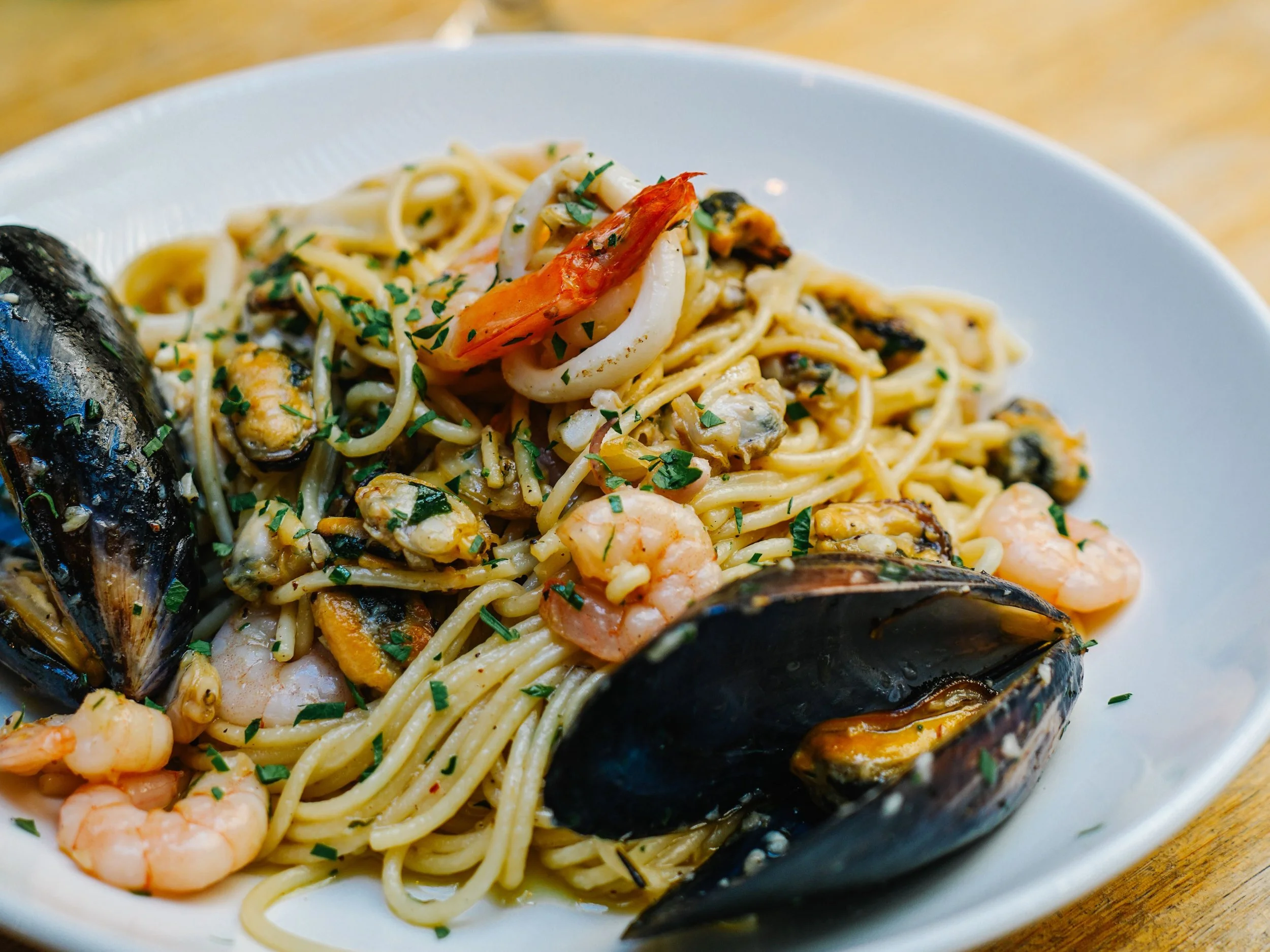
The best pasta toppings can add richness, freshness or extra texture without overwhelming the pasta itself. From classic Italian cheeses to vegetables, herbs, seafood and meat, each option brings something different to the dish. Here are some popular pasta toppings and why each one works.
Classic Cheese Toppings for Italian Pasta
Cheese remains one of the most familiar pasta additions. Parmesan is particularly versatile and works across tomato-based sauces, baked dishes, and richer preparations. Mozzarella offers a softer texture and milder flavour, while other cheeses can create very different results.
Among the best pasta toppings, cheese works especially well when it supports the sauce rather than becoming the only flavour diners notice. A small amount of a strongly flavoured cheese may be enough to finish a dish without making it unnecessarily heavy.
Fresh Herbs Bring Aroma and Contrast
Fresh herbs can change pasta without adding another heavy component. Basil naturally complements tomato-based dishes, while parsley can bring freshness to seafood, garlic, and olive oil preparations. Herbs are particularly useful when the pasta already contains rich ingredients and needs a lighter finishing element.
The best pasta toppings do not always need to be substantial. Sometimes a small amount of fresh herbs added just before serving provides enough aroma and contrast to complete the dish. This is also why herbs are generally treated as a finishing ingredient rather than something that needs to dominate the sauce.
Vegetables Can Add More Than Colour
Vegetables add another layer of flavour and texture to pasta. Mushrooms can bring an earthy character, peas add sweetness, and spinach works easily with tomato- and cream-based sauces. Tomatoes, broccoli and asparagus are other common possibilities.
Vegetables can also help create a more balanced meal by contributing fibre and micronutrients. This makes them some of the best pasta toppings for dishes that need more substance without relying entirely on meat or cheese.
Seafood and Meat for More Substantial Pasta
Protein-based additions can make pasta considerably more filling. Chicken, beef, and seafood each bring a different character, so consider the sauce and pasta shape before combining them.
Seafood works particularly well with garlic, olive oil, tomato and fresh herbs. A garlic prawn pasta, for example, can use the sweetness of prawns alongside garlic and oil without requiring an overly complicated sauce. Meat-based preparations can support richer sauces, particularly when cooked slowly and allowed to become part of the sauce rather than simply placed on top.
Match the Topping to the Pasta Shape
Different types of pasta provide different surfaces for holding sauce and other ingredients. Long pasta can work naturally with smoother sauces and ingredients that spread easily through the strands. Tubular shapes such as penne can catch sauce inside their openings, while broader pasta provides more surface area for richer preparations.
This relationship matters when choosing the best pasta toppings. Small ingredients can distribute easily through short pasta, while larger or heavier additions may work better with shapes sturdy enough to carry them. A good pairing creates a more consistent bite from start to finish.
Texture Can Change the Whole Dish
Pasta is naturally soft once cooked, so contrasting textures can make a noticeable difference. Toasted breadcrumbs are a traditional way to add crunch, while nuts or properly cooked vegetables can create a similar contrast, depending on the recipe. Bon Appétit also highlights toasted bread, olive oil and flaky salt as simple finishing additions.
This shows why the best pasta toppings are not defined by richness alone. Texture is equally important. A crisp finishing ingredient can add character to a simple pasta, while a drizzle of olive oil can bring aroma and richness without adding another sauce.
Explore Italian Pasta at Il Gambero in Carlton
At Il Gambero, pasta dishes bring together classic sauces with ingredients that add their own flavour and character. The menu moves from familiar combinations such as Carbonara and Bolognese to seafood based pasta, giving diners different ways to enjoy Italian pasta beyond a simple sauce.
These combinations also show how the best pasta toppings depend on the overall dish. Seafood can bring a fresh, savoury quality, while meat, cheese and other ingredients create richer flavours. Each addition works as part of the complete pasta rather than being added simply for decoration.
A plate of pasta can change considerably depending on what is added to it. Il Gambero’s menu brings this idea to the table through combinations of seafood, meat, cheese and classic Italian sauces. Those looking for the best pasta at Carlton can see these ingredients used across a range of dishes, each with its own balance of flavour and texture.
Frequently Asked Questions
-
No single topping works with every pasta dish. Cheese, vegetables, fresh herbs, seafood, meat, olive oil and toasted breadcrumbs can all work well, but the choice should complement the sauce and pasta shape.
The best pasta toppings also create contrast without overcrowding the plate. A rich sauce may need a simple finishing ingredient such as herbs or grated cheese. A lighter preparation leaves more room for vegetables, seafood, or other additions that add extra flavour and texture.
-
Yes. Vegetables can add fibre, vitamins, minerals, flavour and texture to a pasta meal. Broccoli, mushrooms, spinach, tomatoes, peas, and asparagus are examples you can incorporate into different pasta preparations.
The right vegetable depends on the other ingredients. Mushrooms suit richer dishes, while tomatoes and spinach work well in lighter preparations. Instead of adding vegetables as decoration, choose ingredients that complement the sauce for a more coherent finished dish.
-
No. Parmesan is a classic addition, but it is far from the only way to finish pasta. Some dishes benefit more from fresh herbs, olive oil, vegetables, or breadcrumbs, and the right cheese can also depend on the sauce.
Italian pasta is diverse, so using the same topping for every preparation can hide some of those differences. The finishing ingredient should support the flavours already present and give the dish what it needs rather than being added automatically.
Conclusion
Choosing the best pasta toppings comes down to balance. Cheese adds richness, herbs add freshness, vegetables add colour and texture, and seafood and meat can make a dish more substantial. Pasta shape and sauce matter just as much, since every element needs to work together.
Il Gambero offers a broad selection of Italian pasta dishes at its Carlton restaurant, letting diners explore different shapes, sauces, and ingredient combinations. Visit Il Gambero on Lygon Street and discover an Italian pasta dish that suits the occasion.