
Homemade Potato Gnocchi: A Guide to This Italian Classic
Few Italian dishes show the value of simple cooking as clearly as homemade potato gnocchi. Small, soft, and comforting, gnocchi can be made with a short list of ingredients, but getting the texture right takes care and a good understanding of the dough.
Potatoes form the base, while flour helps bring everything together. Some preparations also include egg. From there, you shape the dough into small pieces, cook them, and pair them with sauce. The result is a dish that proves Italian food does not need a long ingredient list to have character.
What Is Gnocchi?
For anyone asking what is gnocchi, the answer is slightly different from describing conventional pasta. Potato gnocchi are small Italian dumplings commonly prepared with cooked potato and flour, with some recipes also using egg and salt. They are shaped into individual pieces, then cooked in water.
This puts homemade potato gnocchi in an interesting place in Italian cooking. It is often served alongside pasta dishes and paired with many of the same sauces, but its potato-based dough gives it a noticeably different structure and texture.
What Gives Homemade Potato Gnocchi Its Texture?
Good homemade potato gnocchi should feel soft and tender, not dense or chewy. One main factor is how much you work the dough. Excessive kneading can develop a firmer texture, which works against the light consistency of well-prepared gnocchi.
Moisture also matters. Potatoes naturally vary in water content, so add flour gradually rather than all at once. This allows the dough to come together without becoming unnecessarily heavy. The goal is a dough that holds its shape while remaining soft enough to cook gently.
Why the Potato Matters
Potato choice directly affects homemade potato gnocchi because different varieties contain different amounts of moisture. Recipes commonly recommend floury potatoes such as Russet because their texture makes them suitable for forming a light dough.
Once cooked, the potatoes are generally mashed or passed through a potato ricer until smooth. Giadzy recommends allowing steam to escape from the cooked potato before forming the dough. This helps manage excess moisture and makes it easier to combine the potato with flour without excessive handling.
How Homemade Potato Gnocchi Is Shaped
Once the dough is ready, homemade potato gnocchi is usually divided and rolled into long ropes. Then cut these ropes into small pieces. Some cooks leave them plain, while others roll each piece over a gnocchi board or the back of a fork to form ridges.
Those grooves have a practical purpose. They create additional surface texture that helps sauce cling to each piece. This small shaping step shows how Italian cooking often connects preparation technique with how a finished dish is eaten.
Gnocchi Compared With Other Pasta Choices
Italian cuisine includes many types of pasta, with shape and texture often influencing how a dish works with its sauce. Spaghetti offers long strands, fettuccine has a broader surface, while penne has a tubular shape that can carry sauce inside as well as around the pasta.
Gnocchi behaves differently. Its soft, potato-based structure gives each piece more weight and tenderness than dried pasta. Because of this, sauce choice and portion balance can noticeably affect the finished dish.
How Gnocchi Is Cooked and Served
Fresh homemade potato gnocchi cooks quickly. A common method is to add the pieces to salted boiling water and watch them rise to the surface. Recipes differ slightly on the exact cooking time after they float, so texture remains the most useful guide rather than relying on one fixed number.
After cooking, you can combine gnocchi with many sauces. Tomato-based sauces add acidity, while butter and herbs let the gnocchi's flavour and texture stay prominent. The pairing can therefore change the dish's character considerably.
Discover Italian Pasta at Il Gambero in Carlton
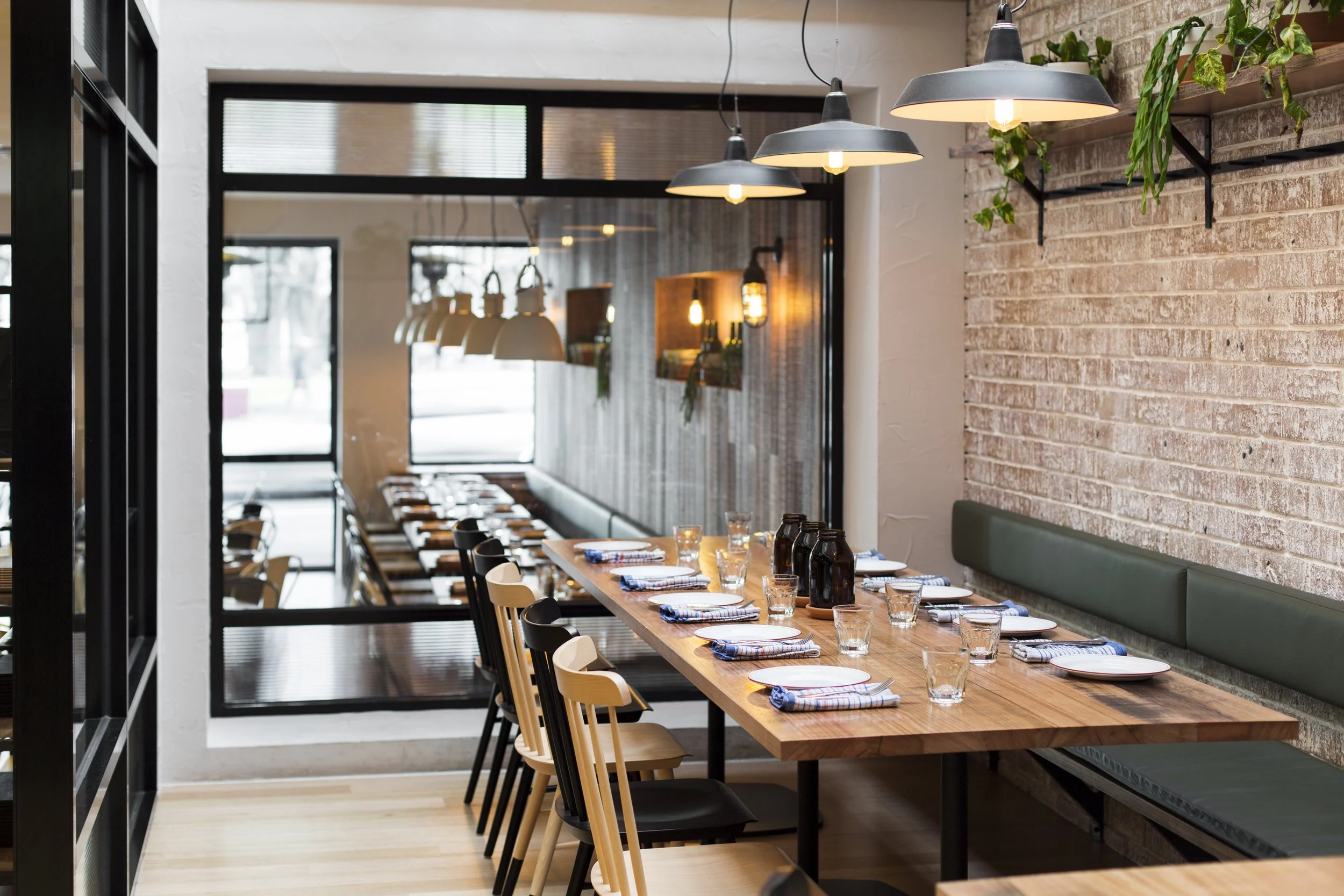
Il Gambero brings traditional Italian pasta to Lygon Street with a menu that includes spaghetti, fettuccine, veal tortellini and homemade gnocchi. Each pasta offers a different texture and way of carrying sauce, giving diners plenty of choice beyond the familiar favourites.
For anyone interested in homemade potato gnocchi, Il Gambero’s homemade gnocchi is a natural dish to explore. Its soft, potato-based texture differs from long or tubular pasta and gives the sauce a bigger role in shaping each bite.
For diners searching for the best pasta Carlton has to offer, exploring different shapes and sauces can help you understand how varied Italian pasta cooking can be.
Frequently Asked Questions
-
Gnocchi is commonly grouped with pasta dishes on Italian menus, although traditional potato gnocchi is prepared differently from conventional wheat pasta. Its dough is mainly cooked potato and flour, and some versions also include egg.
That difference creates its distinctive soft texture. It is also shaped into individual pieces rather than strands or tubes. Even so, gnocchi is served with many familiar Italian sauces, so it naturally sits alongside pasta in everyday Italian dining.
-
One common reason is adding too much flour or working the dough too heavily. The amount of flour needed can vary because potatoes contain different levels of moisture, which is why some recipes recommend adding flour gradually.
The dough also needs gentle handling. Overworking it can produce a tougher result instead of the soft consistency normally associated with homemade potato gnocchi. Paying attention to the dough itself is therefore more useful than treating every batch the same.
-
Ridges form traditionally with a gnocchi board or the tines of a fork. Apart from giving each piece its recognisable appearance, the textured surface helps sauce cling to the gnocchi.
The shaping process is simple, but it has a practical role once the dish reaches the plate. Gnocchi can also be cooked without pronounced ridges, so the exact appearance can vary according to the preparation method and the cook making it.
Conclusion
Homemade potato gnocchi shows how potatoes, flour and careful preparation can become one of Italy’s most recognisable comfort dishes. From controlling moisture to handling the dough gently, each stage shapes the final texture and how well it carries sauce.
Il Gambero has served Italian food on Lygon Street for 50 years, and pasta remains part of its extensive menu. Diners can explore homemade gnocchi alongside spaghetti, fettuccine, penne and other Italian favourites in Carlton. Book a table and enjoy a relaxed Italian meal with family or friends.