
A good pasta dish depends on more than the pasta itself. The sauce brings the ingredients together, adds flavour, and determines how satisfying each bite is. From rich Bolognese to fragrant pesto and creamy Carbonara, Italian cuisine offers plenty of combinations to suit different preferences. Understanding the types of pasta sauce helps diners appreciate how different ingredients, cooking methods and textures influence the final dish. Some sauces are slow-cooked to develop deeper flavours, while others rely on a few fresh ingredients. Each brings something different to traditional Italian cooking.
What Are the Main Types of Pasta Sauce?
Italian pasta sauces generally fall into several categories, including tomato-based, cream-based, oil-based, meat-based and herb-based preparations. Tomato sauces often combine tomatoes, garlic and herbs, while cream-based varieties provide a richer consistency. Olive oil sauces are usually lighter, letting ingredients such as garlic, chilli, and seafood stay prominent. Meat-based sauces require longer cooking to develop flavour, whereas fresh herb sauces are often prepared with minimal heat. These types of pasta sauce have different characteristics, making the choice of pasta shape and accompanying ingredients particularly important.
8 Popular Types of Pasta Sauce in Italian Cuisine
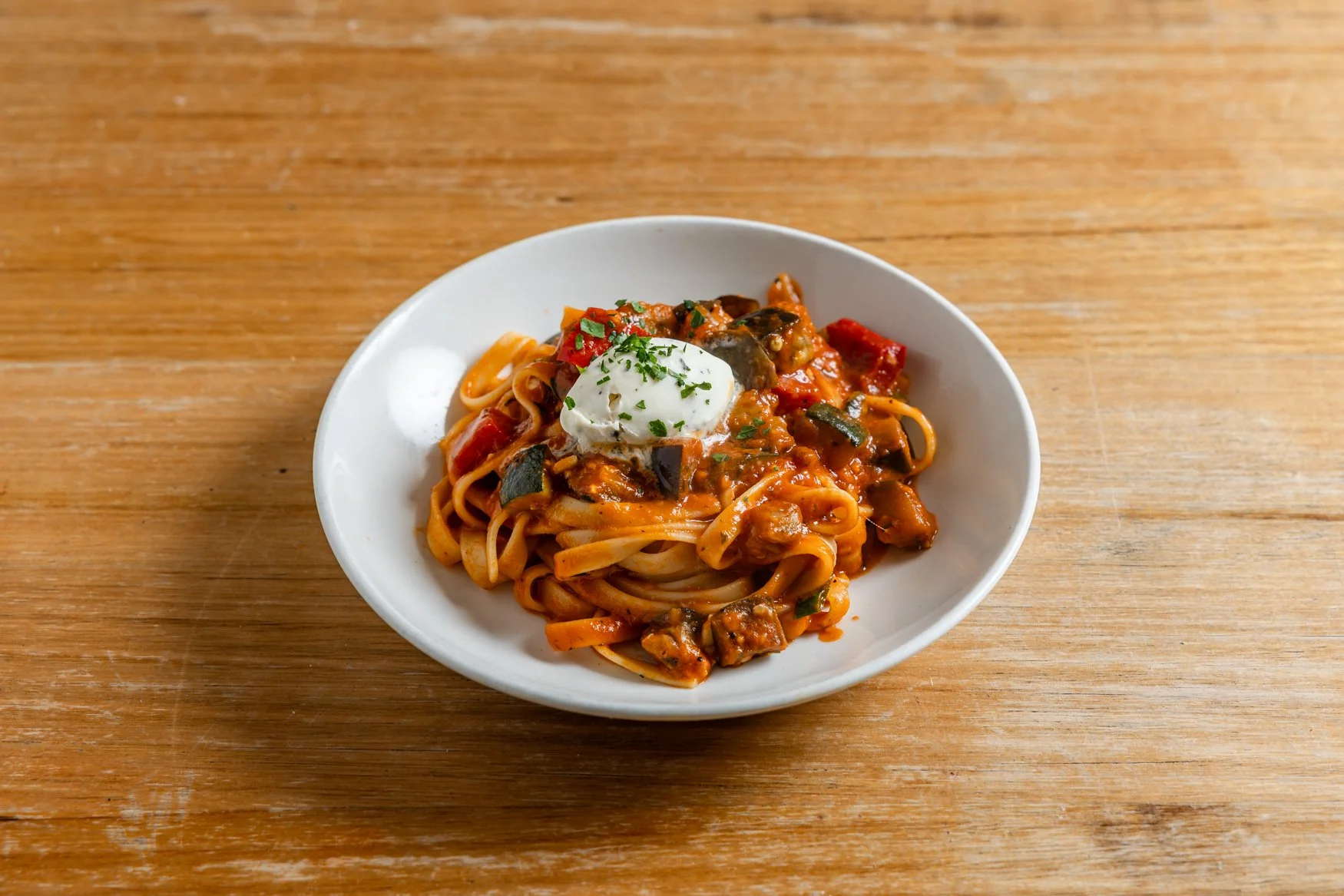
Italian cooking offers many regional variations, but several sauces have become familiar favourites in restaurants and home kitchens. Each has distinctive ingredients and preparation methods that influence its flavour and consistency.
1. Bolognese Sauce: Traditional Italian Meat Ragù
Bolognese is a traditional meat-based sauce associated with Bologna in northern Italy. It typically combines minced meat, vegetables, tomatoes or tomato paste, and liquid such as stock or wine. The ingredients simmer, tenderising the meat and developing a rich, savoury flavour. Traditional ragù alla Bolognese is commonly paired with tagliatelle, although spaghetti Bolognese is widely enjoyed outside Italy. Unlike simple tomato sauces, Bolognese has a thicker consistency, making it suitable for pasta shapes that can carry substantial portions of sauce. Its slow cooking also lets the ingredients develop a balanced flavour.
2. Carbonara Sauce: Rich and Creamy Italian Pasta
Carbonara originates in Rome and is traditionally made with eggs, Pecorino Romano, guanciale, and black pepper. The sauce becomes creamy when the egg-and-cheese mixture combines with warm pasta and a little cooking water. Importantly, traditional Roman Carbonara does not contain cream. However, variations using cream and bacon have become common in many Italian restaurants outside Italy. Spaghetti is a popular choice because its long strands allow the sauce to coat the pasta evenly. The result is a rich, savoury dish with a smooth texture and a distinctive peppery flavour that complements the cured pork's saltiness.
3. Napoli Sauce: A Simple Tomato-Based Classic
Napoli sauce is a familiar tomato-based preparation made with tomatoes, olive oil, garlic or onion, and herbs such as basil. Its appeal comes from the natural sweetness and acidity of tomatoes, which provide a balanced flavour with few ingredients. It pairs well with spaghetti, penne, or gnocchi, making it a versatile option for different pasta dishes. Among the types of pasta sauce, Napoli is particularly suitable for those who prefer a lighter tomato flavour. It also serves as a base for other sauces, including Arrabbiata and Amatriciana, where additional ingredients create stronger, more distinctive flavours.
4. Pesto Sauce: Fresh Basil and Parmesan
Pesto originated in Liguria and is traditionally made with fresh basil, pine nuts, garlic, Parmigiano Reggiano, Pecorino, olive oil, and salt. Unlike many cooked sauces, classic basil pesto is made by crushing or blending the ingredients into a thick mixture. Its fresh herbal flavour pairs particularly well with trofie, trenette and other pasta shapes that retain the sauce. Pesto can also complement chicken, vegetables and other ingredients, although these additions create variations of the traditional recipe. Its fragrant character makes it a popular alternative to tomato or cream-based preparations, particularly for diners who enjoy fresh herbs and aromatic ingredients.
5. Arrabbiata Sauce: Tomato with a Spicy Kick
Arrabbiata is a spicy tomato sauce associated with Rome. The name translates to "angry" in Italian, referring to the heat provided by chilli. Traditional preparations combine tomatoes, garlic, olive oil, and dried red chilli, creating a noticeably spicy flavour. Penne all'Arrabbiata is the classic pairing because the pasta's hollow centre and ridged surface help retain the sauce. For those exploring different types of pasta sauce, Arrabbiata provides a stronger flavour without relying on cream or meat. The balance between tomato acidity, garlic and chilli makes it particularly appealing to diners who prefer a little heat.
6. Alfredo Sauce: Butter and Cheese
Traditional Italian fettuccine Alfredo uses butter, Parmigiano Reggiano and starchy pasta water to create a smooth coating. The dish became particularly popular internationally, where cream-based adaptations are now common. Fettuccine works well because its broad, flat ribbons hold the buttery cheese mixture. Unlike tomato-based preparations, Alfredo has a mild, rich flavour that lets the dairy ingredients stay prominent.
7. Amatriciana Sauce: Tomato, Pork and Pecorino
Amatriciana is associated with Amatrice and Roman cuisine. Traditionally, it combines guanciale, tomatoes, Pecorino Romano and, in many preparations, chilli. The rendered pork fat adds a savoury depth that balances the tomato's acidity, while the cheese contributes saltiness. Bucatini and spaghetti are popular pasta choices for this sauce, although regional and restaurant variations exist.
8. Marinara Sauce: Garlic, Olive Oil and Seafood Variations
Marinara has different meanings depending on culinary tradition. In Italian-American cooking, marinara generally describes a simple tomato sauce made with garlic and herbs. In Australian Italian restaurants, pasta Marinara commonly refers to a seafood dish featuring ingredients such as prawns, mussels, clams and calamari. The seafood version may be prepared with olive oil and garlic, with tomato sauce added according to preference.
How to Choose the Right Pasta Sauce for Different Pasta Shapes
Choosing between the types of pasta sauce also involves considering how the sauce interacts with the pasta's shape and texture. Long pasta varieties such as spaghetti and linguine work well with olive oil, seafood and lighter sauces. Wider ribbons, including fettuccine and tagliatelle, suit thicker meat or creamy preparations. Short varieties such as penne can collect sauce inside their hollow centres, while ridged shapes hold pieces of vegetables or meat. Different types of pasta therefore serve a practical purpose beyond appearance. Matching the sauce to the pasta helps distribute flavour more evenly throughout the dish.
Which Ingredients Make the Best Pasta Toppings?
The best pasta toppings depend on the sauce's flavour and consistency. Freshly grated Parmesan or Pecorino adds a savoury finish, while basil and parsley add freshness. Seafood dishes may benefit from garlic, chilli, and olive oil, letting the natural seafood flavours stay prominent. For richer preparations, ingredients such as sautéed mushrooms, roasted vegetables and slow-cooked meat can add substance. The key is choosing ingredients that complement the sauce rather than overwhelming it. A balanced combination allows each component to contribute to the final dish.
Enjoy Traditional Italian Pasta at Il Gambero
Il Gambero offers a selection of Italian pasta dishes featuring familiar sauces and carefully combined ingredients. Its menu includes traditional Bolognese made with beef and pork, Carbonara with bacon, egg and cream, and Marinara featuring mixed seafood with olive oil and garlic. Guests can also enjoy Arrabbiata, Amatriciana and the restaurant's Dimattina sauce with chicken, avocado and pesto. For diners looking for the best pasta Carlton has to offer, Il Gambero offers a range of choices, including spaghetti, fettuccine, penne, veal tortellini, and homemade gnocchi. The menu features several pasta sauces, letting guests explore different Italian flavours.
Frequently Asked Questions
-
Italy has many popular pasta sauces, and preferences often depend on regional traditions and local ingredients. Tomato-based sauces are widely enjoyed, particularly in southern Italy, where people commonly use fresh tomatoes, garlic, olive oil, and basil. Northern regions favour meat-based ragù and butter-based preparations. Bolognese remains a familiar favourite, while pesto is strongly associated with Liguria. Carbonara and Amatriciana are also popular central Italian dishes. Rather than having one nationally preferred sauce, Italian cuisine celebrates regional varieties, each reflecting different cooking methods, ingredients and culinary traditions passed down through generations.
-
Spaghetti pairs well with several sauces because its long, thin strands allow sauces to coat the pasta evenly. Tomato-based preparations, including Napoli and Arrabbiata, are popular choices because their smooth consistency complements spaghetti's texture. Carbonara is another traditional pairing, combining eggs, cheese and guanciale to create a creamy coating. For lighter meals, serve spaghetti with garlic, olive oil, and chilli, commonly known as aglio, olio e peperoncino. Seafood sauces also work particularly well, especially those featuring prawns, clams or mussels. The best pairing depends on the sauce's thickness and ingredients.
-
Yes, you can combine different pasta sauces to create new flavours and textures, as long as the ingredients complement one another. A common example is combining tomato sauce with cream to produce a smoother, richer consistency that balances acidity with dairy richness. Pesto can also be mixed with cream for a milder basil flavour, while tomato-based sauces can incorporate meat or vegetables for additional substance. However, combining too many strong flavours may overpower the pasta and create an unbalanced dish. For the best results, mix sauces in moderate proportions, letting their individual ingredients contribute naturally to the final dish.
Conclusion
Understanding the different types of pasta sauce makes it easier to appreciate the variety found in Italian cooking. From slow-cooked Bolognese and traditional Carbonara to fresh pesto and spicy Arrabbiata, each preparation brings distinctive ingredients, flavours and textures to the table. Choosing suitable pasta shapes and complementary ingredients also plays an important role in creating a balanced dish. At Il Gambero, guests can enjoy a selection of traditional Italian pasta recipes, including seafood, meat-based and vegetarian options.
Explore the restaurant's menu and find a dish that suits your preferences. Explore Il Gambero's menu and book a table to enjoy traditional Italian pasta.